



















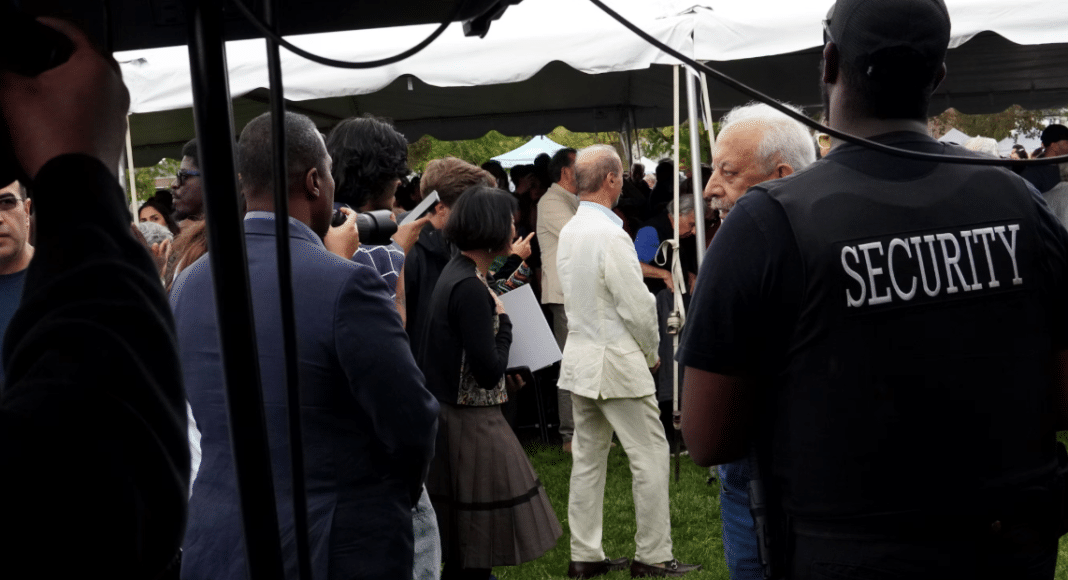
Public gatherings need a clear health and safety plan that reflects the people attending, the venue and the activities taking place. A village fair presents different challenges from a music festival or a city-centre parade, so copying an old plan can leave serious gaps.
Organisers should assess likely incidents, arrange suitable medical support and make sure responders can reach patients quickly. These measures protect visitors and help staff respond calmly when conditions change.
Evaluating specific risk profiles
Start the assessment with the event’s location, expected attendance, duration, and audience profile. The human health risk assessment process offers a useful framework: identify hazards, consider who could be affected and estimate the likelihood and severity of harm.
Look beyond total attendance. An outdoor event for 2,000 people may face heat exposure, uneven ground and sudden weather changes, whilst an indoor conference of the same size may create congestion around entrances and lifts. Age, mobility needs and existing health conditions can also affect the likely demand for assistance. Furthermore, the need for support can escalate dramatically in situations involving intoxicated young people, highlighting the diverse challenges that care providers may face.
Record each risk alongside a control measure and a named person responsible for it. Review the document after changes to the programme, venue or attendance forecast.
Calculating necessary medical resources
Medical provision should follow the risk assessment, not a fixed staff-to-attendee ratio. Organisers need to consider opening hours, crowd density, travel time to local healthcare facilities and the possibility of several incidents occurring at once. Guidance on mass gathering health also highlights factors such as climate, sanitation and crowd movement.
Plans should specify the number and skill level of responders, treatment locations and suitable transport arrangements. Booking professional event medical cover can help organisers match clinical resources to the event’s scale and risk profile.
A summer sports day, for example, may need teams prepared for dehydration and minor injuries. A long evening event could require shift changes so that fatigue doesn’t reduce response quality. Always document how medical staff will contact event control and request outside assistance.
Designing safe perimeter layouts
A safe perimeter controls entry while preserving quick access for medical teams and emergency services. Mark access routes on a shared site plan and keep them free from parked vehicles, temporary structures, and delivery equipment. Entrances should accommodate expected visitor flow without creating tightly packed queues.
Place first-aid points where visitors can find them easily, using clear signs that remain visible after dark. Staff should know alternative routes in case the main path becomes blocked. For larger sites, give key locations simple names or grid references so teams don’t rely on vague descriptions during an incident.
Inspect the layout shortly before opening. Temporary barriers, vendor vehicles or wet ground can alter a route that looked suitable during planning. Repeat checks during the gathering, especially after programme changes or periods of heavy footfall.
Debriefing teams after the event
Hold a structured debrief while events are still fresh in people’s minds, ideally within 24 to 72 hours. Invite medical personnel, stewards, venue staff, and event control so that the discussion captures different parts of the response.
Review incident numbers, response times, radio problems, and any delays in reaching patients. Near misses deserve attention too. A blocked access route that caused no harm this time still needs correction before the next gathering. Keep the discussion factual and avoid attaching blame to individuals who reported concerns.
Turn findings into assigned actions with deadlines. Updated maps, revised staffing levels, and clearer radio procedures should feed directly into the next safety plan. A debrief has real value when its lessons appear in the paperwork and briefings for the next event, not when its notes remain filed away.


