






















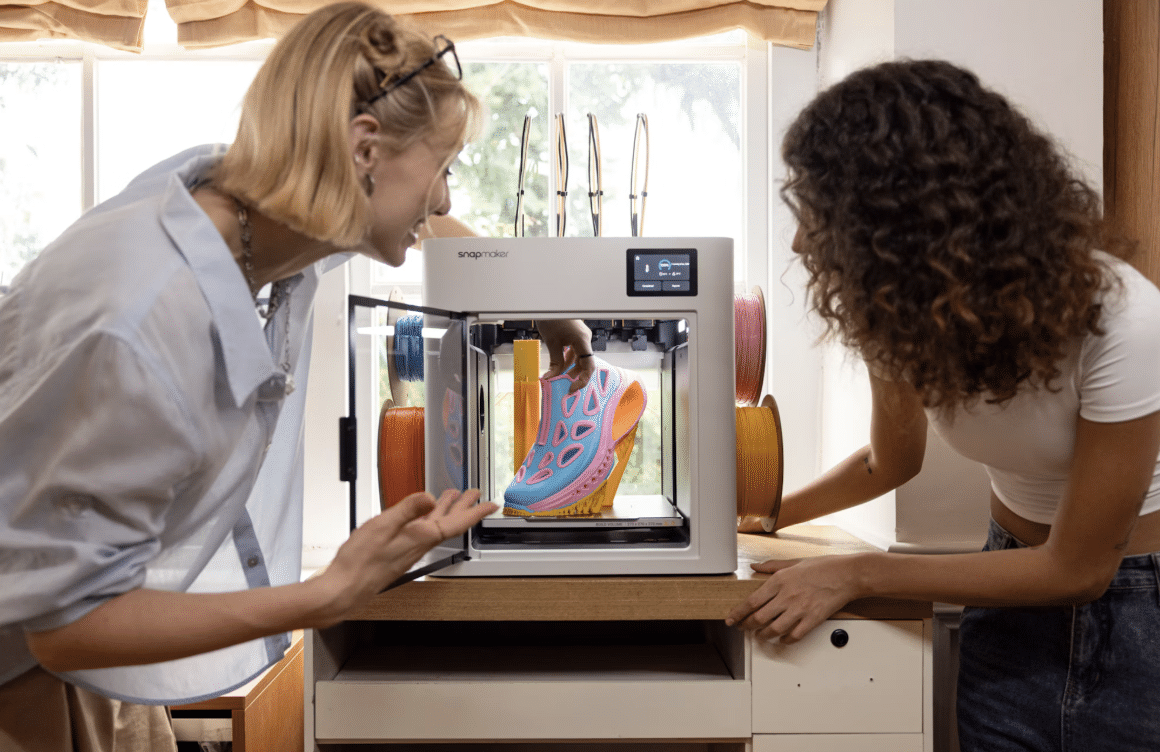
Product development speed often determines which businesses secure customers first and which spend months fixing expensive mistakes. A product that reaches testing early can gather practical feedback while competing ideas remain trapped in lengthy approval and production cycles.
Faster iteration also helps teams respond to changing requirements without committing large sums to an unproven design. For manufacturers and product developers, the challenge is to shorten this cycle while protecting quality, accuracy, and commercial viability.
Slow prototyping drains cash flow
Every delayed prototype carries a cost. Designers remain assigned to unresolved work, equipment bookings shift, and suppliers may charge for revised orders. A six-week delay can also push testing into the next budget period or cause a business to miss an important customer deadline.
Traditional processes often require costly tooling before a team can inspect a physical component. If the first version reveals a dimensional problem, much of that investment is lost. The recognised benefits of rapid prototyping include earlier fault detection, clearer communication and better design decisions.
Track the time and cost of each revision separately. This shows where approvals, file preparation, or production queues create avoidable delays and gives managers a clear case for changing the process.
Shifting to agile physical design
Agile physical design divides development into short, controlled cycles. A team produces a testable component, records what happens, and feeds those findings into the next version. This keeps decisions tied to evidence instead of assumptions made at the start of a long project.
The principles behind agile engineering methods are particularly useful when customer requirements are still developing. For example, a sensor manufacturer might test three thin component layouts in one cycle, then carry only the strongest option into environmental testing.
Specialist suppliers can support this approach when internal facilities lack the required precision or capacity. Product developers working with tecan can access micro-precision manufacturing, rapid prototyping, digital tooling, and photo chemical machining for complex components. Before requesting a prototype, define the single question that each version must answer, such as fit, flexibility, or repeatable performance.
Streamlining precision tooling
Precision tooling becomes more efficient when design and production teams exchange usable information early. Share tolerances, material requirements, surface expectations, and inspection criteria before files enter production. A drawing marked “high precision” invites interpretation, while a stated tolerance gives everyone a measurable target.
Digital tooling can reduce the delay between a design change and the next component. Integrating precision data capture into production workflows also helps teams collect accurate measurements, monitor component quality, and make informed adjustments. Use clear version numbers and keep test results attached to the relevant design record.
Not every feature needs the tightest possible tolerance. Excess precision can raise costs and extend production time without improving function. Ask engineers to identify dimensions that affect assembly or performance, then allow practical tolerances elsewhere. This focused approach gives suppliers clearer priorities and helps quotations reflect the product’s real needs.
Lessons from modern innovators
Successful innovators treat prototypes as learning tools with defined limits. They decide what to test, how to measure success, and who can approve the next revision. That discipline stops teams from making endless small changes after the main engineering question has been settled.
Cross-functional reviews also improve iteration speed. A designer may concentrate on geometry, while production specialists spot features that could slow manufacturing. Commercial colleagues can identify requirements that customers will pay for and those that add cost without strengthening the offer. A short review involving all three perspectives can prevent several rounds of rework.
Set a decision date for every prototype and record the outcome in plain language: proceed, revise, or stop. The market winner may not begin with the best first design. Often, the business turns each physical test into a clear decision before its competitors do.