














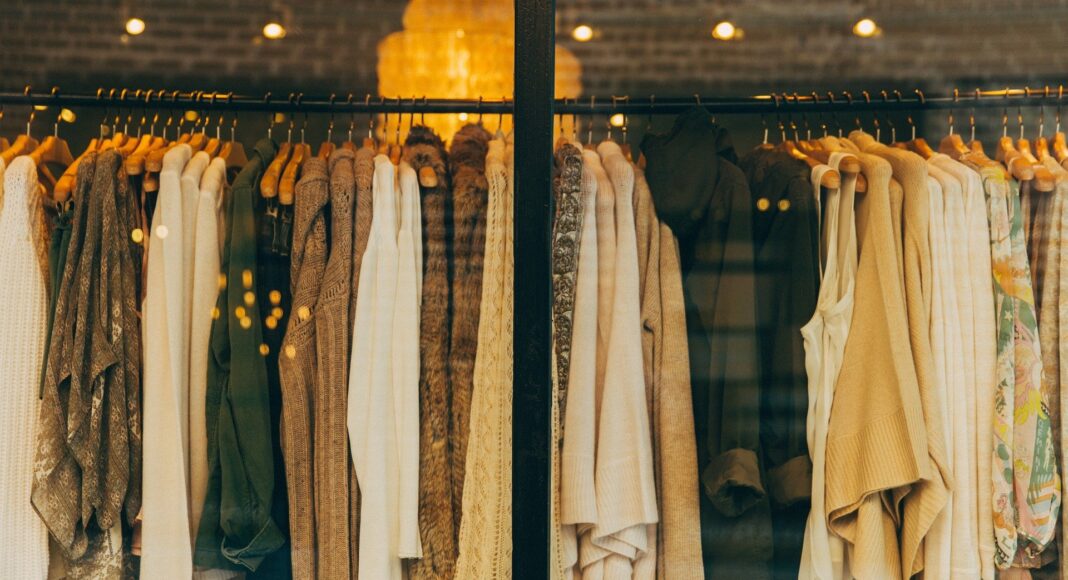
Fashion has long been a force to be reckoned with and a powerful tool for change.
In Ireland, like elsewhere in the world, clothes have traditionally been used as a method of self-expression and an undeniable way to showcase identities and beliefs.
Designers, celebrities, politicians, and the public have all played a crucial part in changing the landscape of Irish fashion. Fashion trends and rules have been rewritten time and time again, and each instance is a reflection of what was going on in society at the time.
For women in particular, trends have been utilised to shake up the existing industry standard, and such fashions have since become symbols of bold, revolutionising moments. Let’s take a step back in time and revisit the styles that shook things up.
The Miniskirt: Sexual Liberation in the 1960s
One fashion trend that championed sexual liberation both in the UK and Ireland during the swinging 1960s was Mary Quant’s iconic mini skirt. The mini skirt was created in the context of female empowerment, and it encouraged women to reclaim their bodies and be able to express themselves however they desired. The cutting-edge mini skirt fast became a symbol.
In addition to the garment being deemed risqué, it was also designed to be comfortable, easy to wear, and affordable to the masses. It signified the fact that women could now wear and do whatever they liked.
In England, the mini skirt was personified by the model Twiggy, who was famously playful with her fashion choices, cropped hair, and iconic makeup. In Ireland however, the mini skirt had a different patron: Bernadette Devlin McAliskey. Devlin McAliskey was only 21 in 1969 when she became the youngest MP in Britain. This came after a period of engaging with and inciting political action wearing, yes, a classic mini skirt.
During a period when political action was traditionally defined by older men wearing overcoats, Devlin McAliskey’s youth, gender, and fashion sense undoubtedly shook things up! That was only the start of the iconic mini skirt in Irish culture, however. A year later, 16-year-old Dana took to the stage to represent Ireland in the Eurovision song contest wearing a mini, her voice captivating the world.
The Political Polo Neck: 1990s
When Mary Robinson, the first female president of Ireland, was elected in 1990, she popularised the almighty polo neck. Being the first female leader, a lot rested on her ability to be taken seriously alongside her predominantly male counterparts. The sleek yet serious polo neck under a suit was the perfect choice.
Robinson’s wasn’t the only high-profile Irish polo neck of this era either. Sinead O’Connor opted for a simple yet striking black polo neck when she sang ‘Nothing Compares to You’ — another powerful woman cementing the trend for the rest of the decade.
Sportswear: Changing the Game in the 2000s
At the dawn of the Noughties, sportswear trends swept Ireland and the UK. Sports clothes went from Spice Girl fame to mainstream fashion, with trainers, leggings, and crop tops no longer limited to the gym. These comfortable clothes allowed women to reject high heels and push-up bras if they wanted to, while still being able to embrace mainstream fashion and make a statement with their wardrobe.
Recently, concepts such as ‘athleisure’ and ‘one-mile wear’ are trending throughout Ireland. The term, ‘one-mile wear’ derives from the Japanese concept of comfortable outfits that you wear within a one-mile radius of your home — comfort is key, and that in itself is revolutionary in the world of women’s fashion.
Non-Binary Clothing: The Future of Fashion
We’re not quite done with testing the boundaries of fashion yet, and today we are beginning to see more and more people throw gender-focused fashion out of the window. Our current fashion revolution can perhaps be paralleled with the punk movement: the rules have been discarded and people are free to express their style however they like, regardless of their gender.
From celebrities like Sam Smith and Jonathon Van Ness on the red carpet to up-and-coming Irish influencers such as Alexis Riva and Jamie and Chloe Herlihy, trans and non-binary identities are coming to the forefront of our culture, and the traditional rules of fashion are being challenged. As gender-nonconforming fashions and identities are given more media attention than ever, it’s certainly exciting to see what the future will hold!
The world of fashion is powerful, yet consistently playful. Clothes have long allowed people to be their most authentic selves, and with the lines of ‘right and wrong’ in fashion being constantly challenged and blurred, the world of fashion is sure to take us to some weird and wonderful places in the years to come.