

















We’re surrounded by devices that collect information every day. Your smartphone tracks your steps, your smart speaker listens for commands, and your TV remembers what you last watched. But there’s a big difference between just collecting data and capturing it precisely. The future of technology isn’t just about gathering more information; it’s about getting the *right* information with incredible accuracy. This opens up possibilities we’re only just starting to explore.
This move towards highly detailed and specific data is quietly changing industries from healthcare to agriculture. It’s like going from a blurry snapshot to an ultra-high-definition photograph, letting us understand and interact with the world in completely new ways.
What exactly is precision data capture?
Precision data capture means collecting information that is very specific, accurate, and relevant to a particular task. Think about the difference between a simple room thermostat and a modern smart heating system. The old thermostat only knows one thing: the temperature in one spot. It turns the heating on or off based on a single data point.
A smart system uses precision data. It might have sensors in every room, know when you usually leave for work, check the outside weather forecast, and even learn how long your house takes to warm up. It’s not just collecting more data; it’s gathering targeted, high-quality data to make a much smarter decision. This idea goes far beyond our homes. In manufacturing, it means spotting tiny defects in a product on an assembly line. In sports, it means analysing an athlete’s every move to improve their technique for peak performance.
Seeing the unseen: beyond human vision
Our eyes are amazing, but they can only see a tiny part of the light spectrum, what we call visible light. So much information is hidden in the wavelengths we can’t see, like ultraviolet and infrared. Modern technology now lets us see this invisible world with incredible clarity.
Specialised sensors can capture data far beyond the simple red, green, and blue that a standard camera sees. For example, thermal cameras detect heat, helping firefighters see through smoke. In agriculture, drone sensors can analyse the infrared light reflected by crops to find areas that are stressed or need more water, long before the problem is visible to the naked eye. To capture this level of detail, scientists and engineers use specialised tools.
Hyperspectral imagers, for instance, can tell the difference between hundreds of different colours of light, creating a unique ‘fingerprint’ for any material they look at. This is used for many things, from sorting plastics for recycling to detecting fake art by analysing the specific pigments in a painting.
Revolutionising Healthcare with Smarter Data
The medical field is one of the most exciting areas for precision data. For decades, clinical trials have been key to developing new treatments, but they often relied on information recorded manually and only sometimes. The future of electronic data capture is changing, moving towards continuous, automated data collection from patients.
Wearable devices like smartwatches can now monitor a person’s heart rate, sleep patterns, and activity levels all day, every day. This gives doctors a rich, detailed picture of a patient’s health over time, instead of just a single snapshot from a 10-minute appointment. This constant flow of data can help find problems earlier, personalise treatments, and show how well a new medicine is working in real time.
In hospitals, precision sensors can monitor a patient’s vital signs without bulky wires, sending instant alerts to nurses if a critical change happens. This level of detail helps keep patients safer and enables more proactive and individualised care.
How AI Helps Make Sense of It All
Collecting massive amounts of precise information is one thing; understanding it is another challenge entirely. A single scan from an advanced medical imager or a day’s worth of data from a smart factory can hold more information than a human could ever hope to analyse. This is where artificial intelligence (AI) comes in.
AI algorithms are perfect for sifting through large, complex datasets to find patterns, anomalies, and insights we might otherwise miss. An AI can learn to spot the signs of a disease in a medical image, find a faulty part on a production line from its unique heat signature, or predict a traffic jam before it even starts. The combination of precision data capture and AI is driving major advancements.
As we gather more detailed data, we can train more advanced AI models. These improved models, in turn, help us understand what other precise data we need to collect. This feedback loop is accelerating progress, with real-world data trends suggesting an even greater reliance on AI to turn high-quality information into useful intelligence.
From Smart Farms to Safer Cities
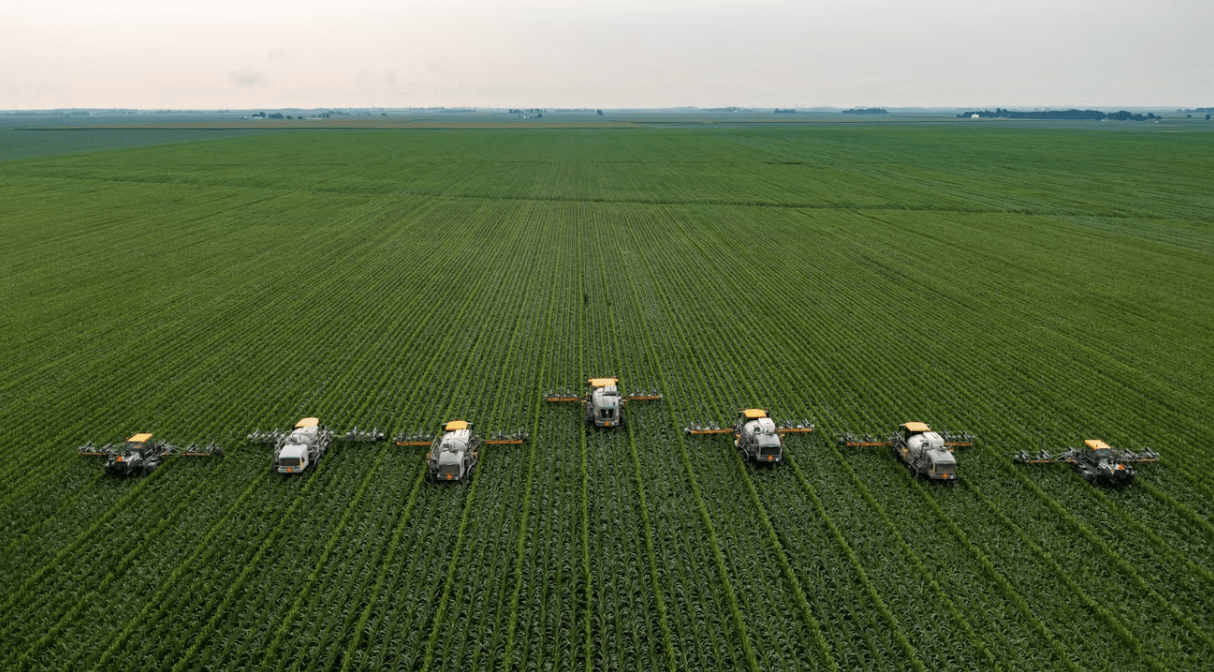
Precision data capture is impacting some of our most important industries. In agriculture, for example, precision agriculture helps farmers grow more food with fewer resources. By using GPS-guided tractors, soil sensors, and drone imagery, a farmer can apply the exact amount of fertiliser or water that a specific part of their field needs, rather than treating the whole area the same way. This saves money, reduces environmental impact, and increases crop yields.
The benefits also extend to how farmers monitor changing conditions throughout the growing season. Detailed data can reveal variations in soil health, moisture, crop growth, and pest activity that may not be visible from the ground. With this information, farmers can respond to problems earlier, adjust their methods, and make more informed decisions that support long-term productivity and sustainability.
Our cities are also getting smarter with precise data. A network of smart city sensors can monitor everything from air quality and noise levels to traffic flow and parking space availability. This information helps city planners make better infrastructure decisions, manage public transport more efficiently, and respond faster to incidents. For residents, it can mean less time stuck in traffic, cleaner air, and more reliable public services.
Precision data lets us manage our resources more intelligently and create environments that are more efficient, sustainable, and responsive to our needs. It’s a quiet revolution that is making our world work better, one data point at a time.