

















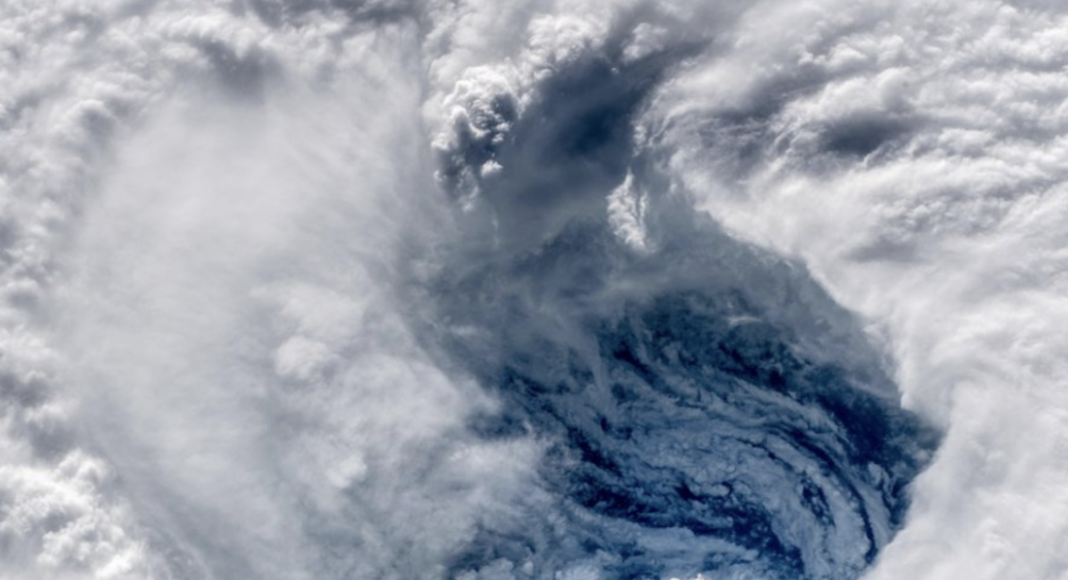
Hurricane Florence has weakened to a Category 2 storm but according to experts, the storm surge is expected to hit ‘catastrophic levels.’
It is still considered to be a very dangerous storm that could endanger life.
The wind speed has reduced to 110 mph from a previous high of 140 mph.
NOAA’s National Weather Service said in a tweet that its ‘weakening’ only refers to maximum winds.
GFS update remains off the charts with forecast rainfall across North Carolina over the next few days. Regional maximum of 42" (5 day total) from #Florence would be about 75% of average annual rainfall. pic.twitter.com/AmQ56FUQCd
— Ben Noll (@BenNollWeather) September 13, 2018
The latest update from the National Hurricane Center. #Florence has weakened some but extremely dangerous storm surge and catastrophic multiple feet of rainfall is still anticipated for eastern North Carolina. #ncwx pic.twitter.com/T7azP9vHvN
— NWS Newport/Morehead (@NWSMoreheadCity) September 13, 2018
Maximum winds from #Florence have decreased, but don't let that fool you. This "weakening" only refers to maximum winds. The wind field has expanded and rainfall/storm surge potential are still at catastrophic levels.https://t.co/meemB5uHAR pic.twitter.com/IRiuxeVeUf
— NWS (@NWS) September 13, 2018
Sand bags surround homes on North Topsail Beach, North Carolina, on Wednesday as Hurricane Florence threatens the coast. https://t.co/PqOkcznsli pic.twitter.com/smPN3i0r86
— Fox News (@FoxNews) September 13, 2018
Meanwhile the animal right organisation PETA is going door to door to rescue pets whose owners have deserted them by evacuating.
PETA’s going door-to-door in some areas that will be affected by #HurricaneFlorence. James was chained outside 24/7 & his owner was evacuating WITHOUT HIM! He will be fostered by a PETA staffer for now, he’s a great new home prospect! pic.twitter.com/0Dw5g27rlo
— PETA ? (@peta) September 12, 2018
Spectacular photos captured by the International Space Station show Hurricane Florence heading toward the east coast of America.

And according to National Geographic, the hurricane will take its toll on wildlife.
In August last year, Hurricane Harvey nearly destroyed the last remaining wild Attwater’s prairie chickens in Texas. Two months later, Hurricane Irma wiped out up to 22 percent of the remaining population of endangered Key deer in the Florida Keys.