




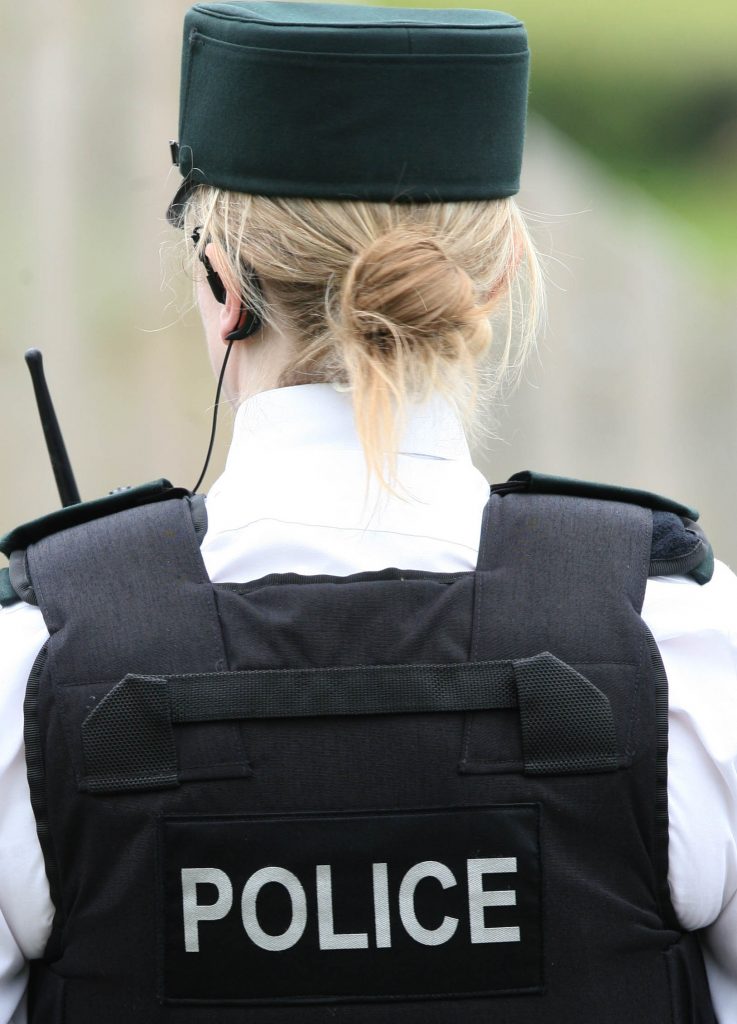














Crimes involving sexual communication with a child have more than doubled in Northern Ireland from April to Sept 2017.
That’s compared to the same period in 2018, rising from 27 to 57 recorded offences.
A total of 5,161 crimes of sexual communication with a child were recorded in 18 months in England and Wales, data obtained by the NSPCC has revealed.
The use of Instagram has risen dramatically over the 18-month period. From April 2017 to September 2017, Instagram was used by groomers in 126 instances, whereas between April 2018 and September 2018 it was recorded 428 times – that’s more than a 200% increase.
The data obtained from 39 of the 43 forces in England and Wales, under Freedom of Information laws, also shows that in the latest six-month period, girls aged 12 to 15 were most likely to be targeted by groomers. Victims included children as young as five years old.
Ahead of the publication of the UK government’s Online Harms White Paper, the NSPCC is urging ministers to tame the Wild West Web by bringing in regulations to enforce a legal duty of care to children on social networks, backed by hefty fines if they fail.
An anti-grooming law has been in place across Northern Ireland since February 2016, following a campaign by NSPCC Northern Ireland.

Colin Reid, policy and public affairs manager at NSPCC Northern Ireland, said the figures are overwhelming evidence that keeping children safe cannot be left to social networks.
He said it is concerning to see the sharp spike in grooming offences on Instagram, and called for the platform to introduce basic protection.
“After 10 years of failed self-regulation by social networks, it is crucial that the UK Government’s imminent Online Harms White Paper includes new laws that tackle online grooming once and for all,” he added.
Case study
Emily (not her real name) was 13 when she was groomed online by a 24-year-old man. She first met him in person because he was dating an older girl she knew. He had introduced himself and initially said he was 16, which quickly changed to 18. She told him she was 13. Later that evening he added her on Facebook and Snapchat.
Emily said: “It escalated very quickly from there. We exchanged texts which quickly became sexual, then photos and videos before arranging for him to come and pick me up after school. He drove me somewhere quiet… and took me into the woods and had sex with me. He drove me in the direction of home straight afterwards, refusing to even talk, and then kicked me out of the car at the traffic lights. I was bleeding and crying. This was my first sexual experience.”
Emily’s mother Wendy said: “We felt as though we had failed as parents – we knew about these social media sites, we thought we were doing everything we could to ensure our children’s safety when they were online, but we still couldn’t protect Emily.
“Somebody has got to take responsibility for what happens to children on their platforms. Simply put, if social media didn’t exist, this would never have happened to Emily.
Between April 2018 to September 2018, police forces in England and Wales recorded 1,944 grooming offences.
Instagram was used in 32% of cases, Facebook in 23% and Snapchat in 14% of those instances. The NSPCC is concerned the majority of grooming offences continue to take place on the three largest sites with the resources to tackle this issue.