









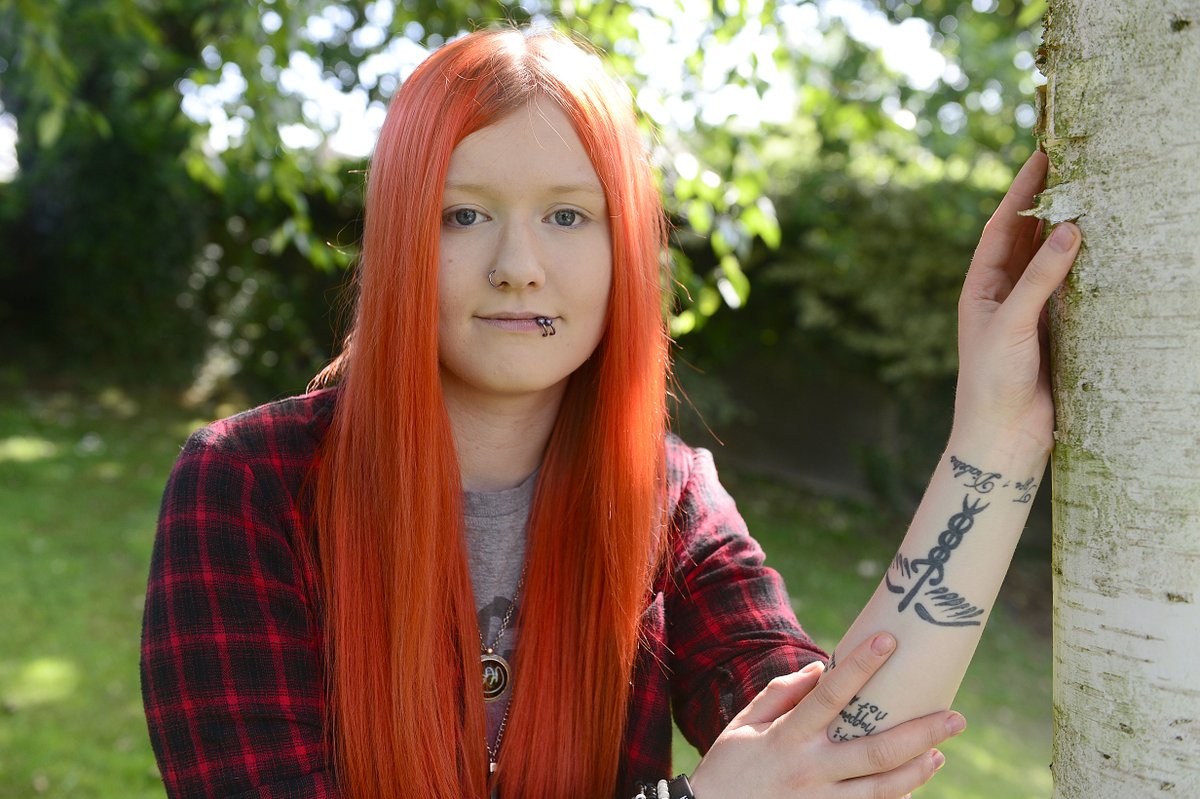
A 20-year-old diabetic Belfast student has been awarded £2,000 after a bottle of Lucozade was confiscated at a gig.
Kayla Hanna was attending the Red Hot Chili Peppers concert at the Boucher Road in 2016.

She told security staff from Eventsec that she required the Lucozade in case her blood sugar levels dropped.
Kayla, who has Type 1 diabetes, said she was left ‘very anxious’ during the show as she feared she would fall ill. The student said she carries Lucozade with her as it gives her essential glucose.
She said she showed staff a tattoo on her wrist indicating she had diabetes as well as her insulin pack.
However, staff insisted they had a strict policy and would not allow Kayla to bring the drink inside.
The court made a finding of discrimination with Eventsec failing to provide a reasonable adjustment to its policy of not allowing liquids inside the concert area.
Mary Kitson, Senior Legal Officer of Equality Commission for Northern Ireland who supported Kayla’s case, said these are the kind of circumstances in which the reasonable adjustment provisions in the Disability Discrimination Act can be most beneficial.
“They are in the Act to ensure that people with disabilities are not denied access to services by reason of general policies which can, in themselves, be otherwise justifiable and necessary.
“In this case, the company should have made arrangements to ensure that Kayla could have accessed Lucozade during the concert if needed, for example by directing her to its own medical centre at the venue and providing her with a bottle of Lucozade,” she said.
"I carry Lucozade with me at all times as it gives me the glucose I need if my blood sugar levels go down,” says student Kayla Hanna, who has Type 1 diabetes. Read about what happened next when Kayla went to see the Red Hot Chili Peppers: https://t.co/IwB9X37TDp pic.twitter.com/VRlVdGWjwo
— Equality Commission (@EqualityCommNI) July 6, 2018
Ms Kitson said that would have been a simple adjustment and would have met her medical needs.
An Eventsec spokesperson said it was pleased that the judge had acknowledged that the company had ‘considered what reasonable adjustments needed to be put in place in order to meet the needs of those patrons with diabetes.’
“The facts surrounding this case were an isolated incident,” the company added.