
















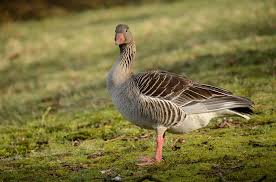
Bird flu has been confirmed in a wild goose, found in Lurgan Park, Co Armagh (H5N6).
This is the same strain found in a wild buzzard in Antrim back in March.

The Department of Agriculture, Environment and Rural Affairs has confirmed that the wild greylag goose has tested positive.
The goose was reported to DAERA as part of its dead wild bird surveillance programme.
The Chief Veterinary Officer for Northern Ireland, Dr Robert Huey, said this is the second case of H5N6 in a wild bird in Northern Ireland this season and is not unexpected given that avian influenza continues to circulate in wild birds across Europe.
“It further emphasises the requirement for all bird keepers to remain vigilant and to critically review their biosecurity measures, for example, feeding and watering birds under cover to help reduce the risk of their poultry coming in contact with wild birds. It is important that flock keepers report early any suspicions of disease,” he says.
And he says while the risk of an avian influenza incursion in wild birds remains, the risk to poultry is low.
“However, it is essential that we take the necessary steps to protect our poultry industry, international trade and the wider economy. I continue to encourage strongly all bird keepers to register their flocks. This will ensure they receive the latest information from the Department and also allow them to be contacted in an avian disease outbreak enabling them to protect their flock at the earliest opportunity,`’ he adds.
Advice from the Public Health Agency is that the risk to public health from the virus is very low, however the public is advised to take appropriate biosecurity precautions before touching or picking up birds that are dead, or appear to be sick or dying.
Further advice can be found on the DAERA website. The Food Standards Agency has confirmed that Avian Influenza does not pose a food safety risk.
Thoroughly cooked poultry and poultry products, including eggs, are safe to eat.
If you suspect that your birds are showing signs of the disease you should immediately report it to your nearest Department Veterinary Office.