



















The popularity of Facebook among today’s teenagers has fallen during the past year. That’s according to Ofcom.
The media regulator has published its annual report which focuses on the devices and applications that children in the UK are currently using.
Instagram, which is owned by Facebook, has increased in popularity. In 2018, 23 per cent of children said it was their main site – up from 14 per cent in 2017.
The Ofcom report found that 72 per cent of 12 to 15-year-olds use Facebook – that’s a decrease from 74% in 2017. WhatsApp and Snapchat increased.
Alarmingly, children are using multiple social media profiles to enhance their image, as bullying increases online.
According to the Ofcom report, the number of children being bullied online has almost doubled.
And vloggers are becoming more of an influence, says Ofcom. However parents now are less likely to monitor their children’s activity.
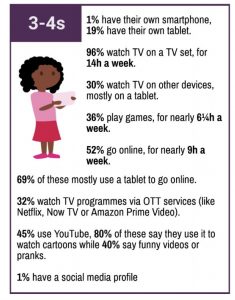
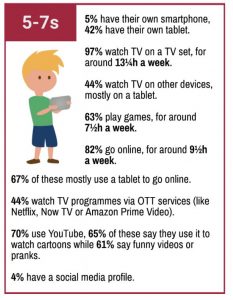
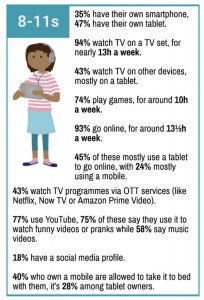
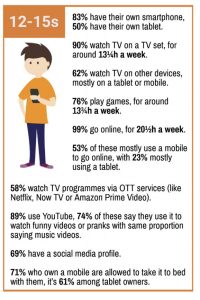
Key findings
- TV sets and tablets dominate device use, but time spent watching TV on a TV set (broadcast or on demand) is decreasing.
- The viewing landscape is complex, with half of 5-15s watching OTT television services like Netflix, Amazon Prime Video and Now TV.
- YouTube is becoming the viewing platform of choice, with rising popularity particularly among 8-11s. Within this, vloggers are an increasingly important source of content and creativity.
- Online gaming is increasingly popular; three-quarters of 5-15s who play games do so online.
- Social media can bring a combination of social pressures and positive influences.
- TV and social media are important sources of news, but many have concerns over the accuracy and trustworthiness of news on social media
- A majority of online 12-15s think critically about websites they visit, but only a third correctly understand search engine advertising.
- Children are still being exposed to unwanted experiences online, but almost all recall being taught how to use the internet safely.
- There has been an increase in parents of 12-15s and of 12-15s themselves saying that controlling screen time has become harder; however most 12-15s consider they have a struck a good balance between this and doing other things.
- Parental concerns about the internet are rising, although parents are, in some areas, becoming less likely to moderate their child’s activities.