

















A Co Antrim woman is urging people to continue to report child welfare concerns as the NSPCC’s Helpline expands to cope with demand amid the Coronavirus pandemic.
Her plea comes as the charity launches a new TV and advertising campaign today (May 4) across the UK to promote its free and confidential Helpline for adults.
Paula Kane (32) from Glengormley, is a practitioner at the NSPCC’s Helpline in Belfast which provides adults with a place they can get advice and support, share their concerns about a child or get general information about child protection.
The Helpline has bases in Belfast and Manchester and operates 365 days per year to protect children in the UK. There are 40 Helpline staff in the Belfast base and they are professional practitioners with backgrounds in areas like social work, teaching, counselling and health care.
With growing concern for the safety of some children during the coronavirus crisis the NSPCC wants more people to know how to get advice and support and where to raise concerns about a child’s wellbeing.
Paula said it has been a busy period on the Helpline over recent weeks.
“I want to reassure people that we can still offer support and help to those who need it at this difficult time.
“We are receiving contacts from many different groups of people such as parents who are key workers, who want to know if it is safe to leave their children home alone when they are working, adults concerned about their children’s education and separated parents concerned about contact issues.
“I have also noticed an increase in calls reporting incidents of domestic abuse and neighbours overhearing children being emotionally and physically abused,” she said.
The UK Government has provided £1.6m in funding so that the NSPCC can expand its helpline by employing more staff across two sites and raise public awareness of it.
The work comes as the charity publishes the latest data from its helpline which shows that the crisis has exacerbated existing risks for children and created new ones.
In the month since lockdown there have been a total of 5,237 contacts to the helpline from across the UK from adults concerned about the wellbeing and safety of a child
Of these, 817 contacts were from adults with worries about parents and carers misusing alcohol and other substances, a 22% increase on the four weeks prior to March 23
Other issues where there has been a double-digit percentage increase in contacts from across the UK include domestic abuse (10%) and emotional abuse (50%)
From April 13 to 19 the NSPCC Helpline received 1,580 contacts from across the UK – the highest number in a single week in 2020.
Paula (32), who is a qualified counsellor joined the NSPCC Helpline in 2018, after previously working as a support worker for a domestic abuse charity. Like the rest of the staff at the NSPCC Helpline, which is based in Belfast, Paula has been granted key worker status by the NI Executive.
She added: “I always reassure callers that it is a really positive step that they have picked up the phone to let us know about their concerns. It is always best to talk through any worries they have, no matter how small they believe them to be. I also advise anyone to contact the PSNI if they have any immediate concerns for the welfare of a child.”
Paula added: “We know that children are now more reliant on family, friends, neighbours and their local community to protect them as professionals are not readily available. Here at the Helpline, we are continuing to come to work so that we can take your call to help safeguard children at this time of unprecedented change and uncertainty for children and families.”
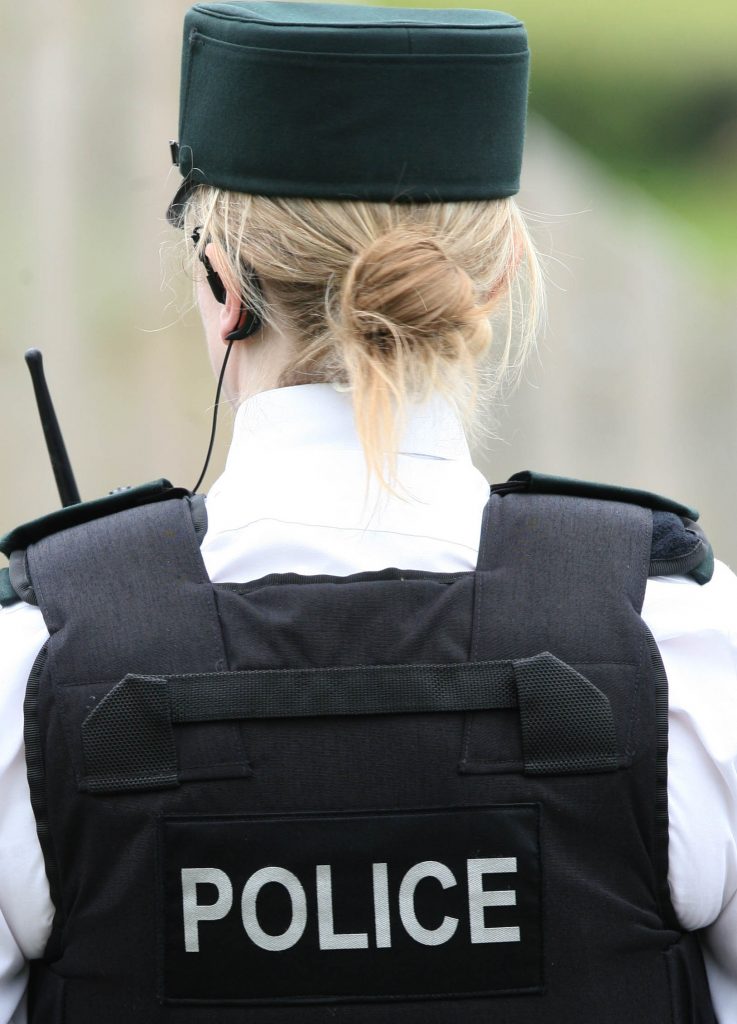
While schools and social workers remain at the forefront of work to protect vulnerable children, including by supporting them to attend school, expanding the NSPCC Helpline and raising its profile will mean more adults know where to go with concerns about the safety and wellbeing of any children.
Some common signs that there may be something concerning happening in a child’s life include:
- aggressive or repeated shouting
- hearing hitting or things being broken
- children crying for long periods of time
- very young children left alone or are outdoors by themselves
- children looking dirty or not changing their clothes
- children being withdrawn or anxious.
Last year the NSPCC helpline, which has around 100 staff in Belfast and Manchester, received 73,000 contacts from people across the UK with concerns about a child’s welfare.
It can be reached 24 hours a day by email – help@nspcc.org.uk – or through its online reporting form. Its team of experts can also be called Monday to Friday 8am-10pm or 9am-6pm at the weekends on 0808 8005000.